What makes different cities different? Why is it that your daily life takes a different structure when you’re in a new spot? The small things about the built environment make a massive difference in the texture of your daily activities. We’re talking about things like where you get coffee, where you get groceries, how you do those things.
Land use regulations & zoning are one of the biggest ways cities shape themselves. The pitch is reasonable — people probably shouldn’t live next to factories, so let’s have rules about what gets built where. Think of it like an HOA for your entire city — collective decisions about what should and shouldn’t be allowed, in the name of common benefit. Like an HOA, it goes wrong sometimes.
The big stuff — I think everyone understands. Everyone gets that LA has better weather so you’ll likely spend more time outdoors than in NYC. The smaller stuff, I think, people underestimate. If your neighborhood doesn’t have a small coffee shop nearby, you won’t buy coffee that often. I understand, of course, that you in particular may continue to go out of your way for coffee, but in aggregate, this will be a much less coffee drinking area.
I’m talking about the texture of your life — whether you enjoy going to your grocery store, whether there’s anywhere for you to sit outside your home, or what you decide to do on an afternoon when the weather’s nice and you’re done with work. The rhythm of a neighborhood is the result of what’s within reach. People take the path of least resistance — you do what’s easy, you skip what’s hard, and over time that becomes your life.
This isn’t just how the world naturally works — these are deliberate political decisions being made on your behalf, often without your input. The political choices made surrounding how land is used affect your life and they affect it in ways that you may not realize. Small choices and regulations in terms of how land is used affect the texture of your life.
Consider how your day is shaped by your environment. It’s all fundamentally malleable! People made this and people can unmake it. Everything in your environment that was built needed to be decided on.
Let me give a few examples:
Work
Downtown San Francisco is primarily offices, and most people live in the surrounding areas. People primarily live around downtown, they’ll commute downtown to work at their office, and then they’ll commute back home. This means that the entire transit system is set up for this as well. If you’re looking to commute into and out of downtown San Francisco, it’s very easy. If you’re trying to get from one part of the city to the other, it’s not really designed for that. I spent 3 months in San Francisco, and you can feel it when you try to commute from one part to the other — it feels more complicated than it needs to be.
Why is the downtown commercial area so filled with tall office buildings and the rest of San Francisco so short? Is it because of seismic activity? Unfortunately, this isn’t the case — the spot where all of the tall skyscrapers are is actually the least seismically safe part of San Francisco. Downtown is all infilled soil rather than rock. In fact, one of the office buildings actually has a large amount of tilt because it’s built on unstable soil. Unfortunately, the tallest buildings in SF are the most unstable because of zoning.

While San Francisco keeps work and home firmly separated, other cities show what happens when you blend them together. Williamsburg in New York is a great example of mixing work with homes. I lived in Williamsburg for over a decade, and it’s this interesting mix of post-industrial warehouses and factories turned into housing and stores. Williamsburg used to be a big industrial area and then it was rezoned in 2005 to allow for housing development. There’s also actually quite a big remnant of industry that still functions and parts of the area are still zoned industrial. There are warehouses full of marble tabletops right next to where people are living. It gives it that sort of “real” vibe. The industrial & residential mixes in a way that contributes to it being the hottest part of New York right now.
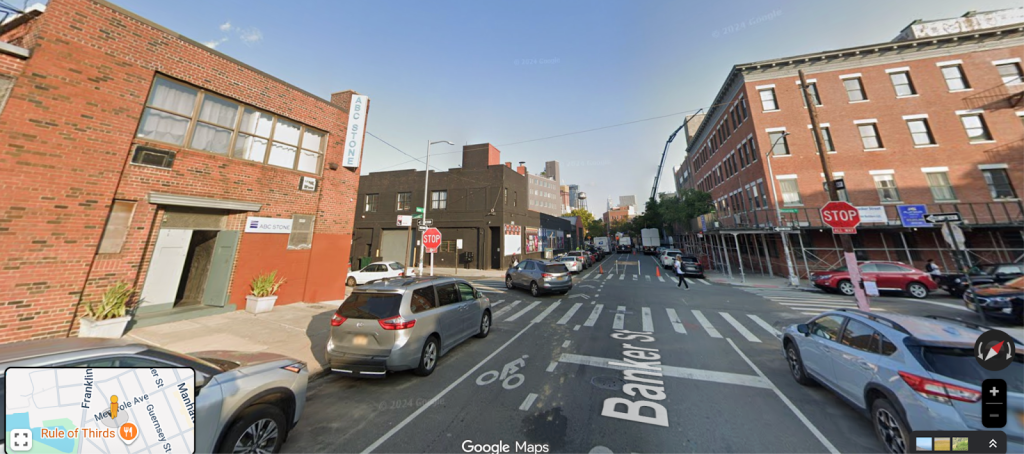
For example, there is a marble tabletop factory on the left (ABC Stone), apartment buildings right across the street.
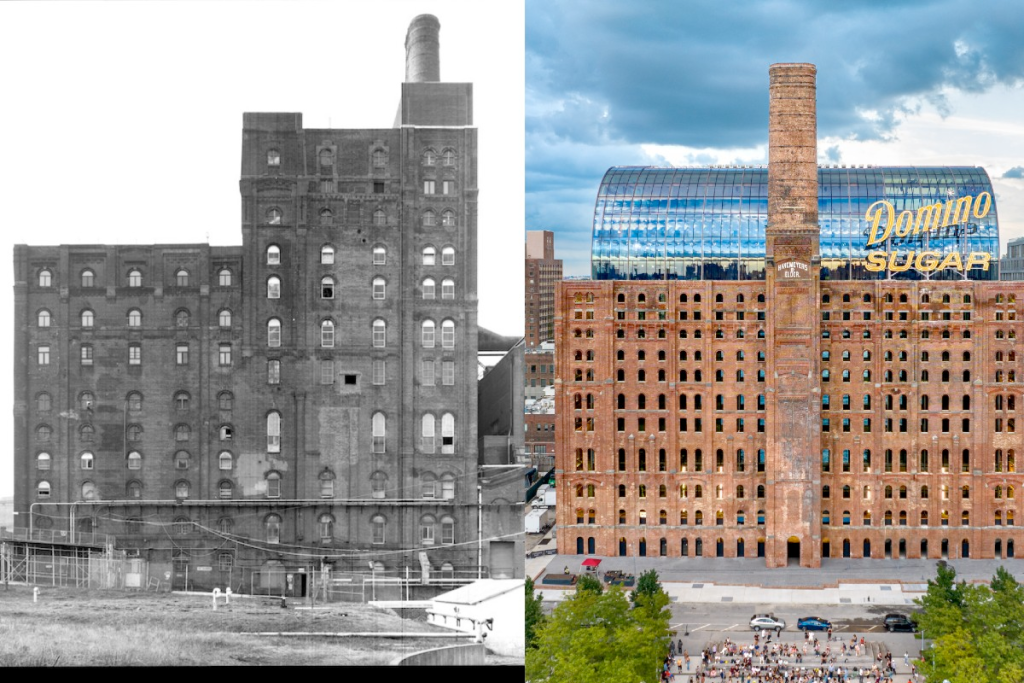
Domino Sugar Refinery (Williamsburg, NY)
Family
Daycare in the US is wildly unavailable. There are a lot of reasons for this, but one that might surprise you is zoning — daycares are often zoned like they’re commercial enterprises, when in reality they’re more of a community need. I don’t have kids, but from what I’ve read — it’s difficult to have enough daycares to where the prices are reasonable. In Nashville, for example, daycares are required to be dispersed at least 1,000 feet apart and they aren’t allowed by default so each daycare needs to be individually approved. I looked up how hard it is to open a daycare in NYC — even once you find a space, you need a Certificate of Occupancy that specifically permits community facility use. On top of that, you need approvals from multiple agencies — the state Office of Children and Family Services, the city Department of Health, the Fire Department, and the Department of Buildings. This stalls the whole process for months before a single kid walks through the door. This raises the cost of opening a daycare — which means there are fewer around.
Car-dependent suburbia requires that the elderly continue driving well into their old age after it stops being safe. There’s fundamentally no way for them to get around without a car in these kinds of places. Taking away their driver’s license would be tantamount to putting them under house arrest — so the road system ends up creating broader problems around public safety, independence, and isolation that go well beyond just driving. Life and safety is shaped by the regulations — if they could walk around it would be more politically palatable to ensure driver competency. It would be easier to make the road safer for everyone. It’s a good example of how zoning ends up intertwined with issues that seem very far removed from local ordinance.
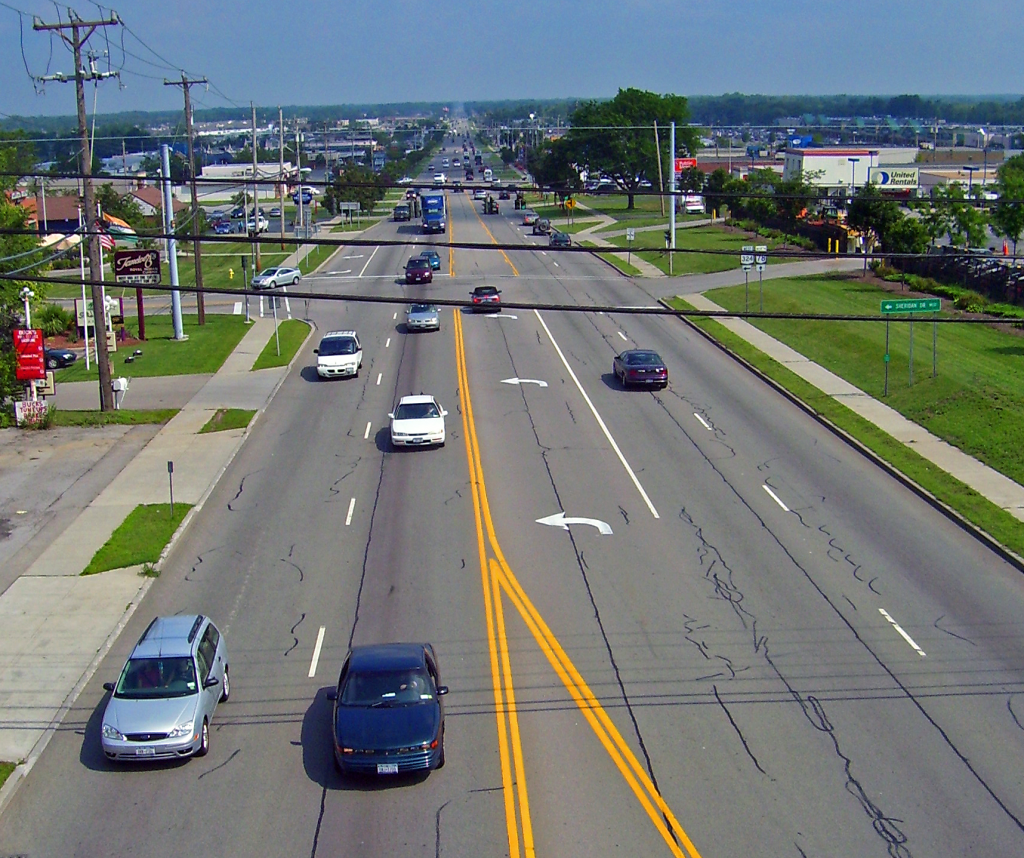
Cross the street grandma!
Home
In many parts of the United States if you have a property with a home on it, it is not permitted to put another small home on it or to build a duplex. If, for example, you have aging parents and you want them next to you, you aren’t able to build an ADU (a small second home on the lot) simply because it’s forbidden by the zoning regulations. Similarly, if you want to build a duplex to rent out the second unit, you aren’t able to do that, even if you want to rent it to a friend. Fortunately, many municipalities have decided to change the regulations around this. For example, Los Angeles recently made a big change where they started allowing ADUs.
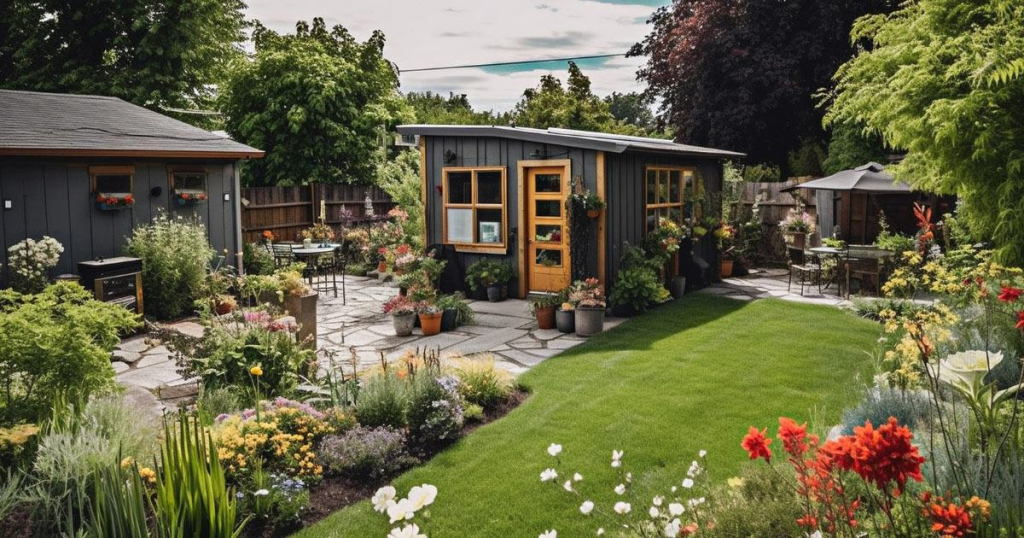
Example of an ADU
If you wanted to run a small business out of your home — in most parts of the US, that’s illegal. Sometimes it’s legal to run the business, but it’s illegal for customers to visit you at that business. This prevents a lot of the wonderful tiny businesses that exist, for example, in Japan where people have a cafe that they run out of the first floor of their home. You don’t allow entrepreneurship, where somebody can for a summer try out running a cookie shop out of their home and then they can graduate to something bigger. The barrier to entry is much higher when you need to rent a space just to start a tiny business — think of how many cookie shops we’ve missed out on!
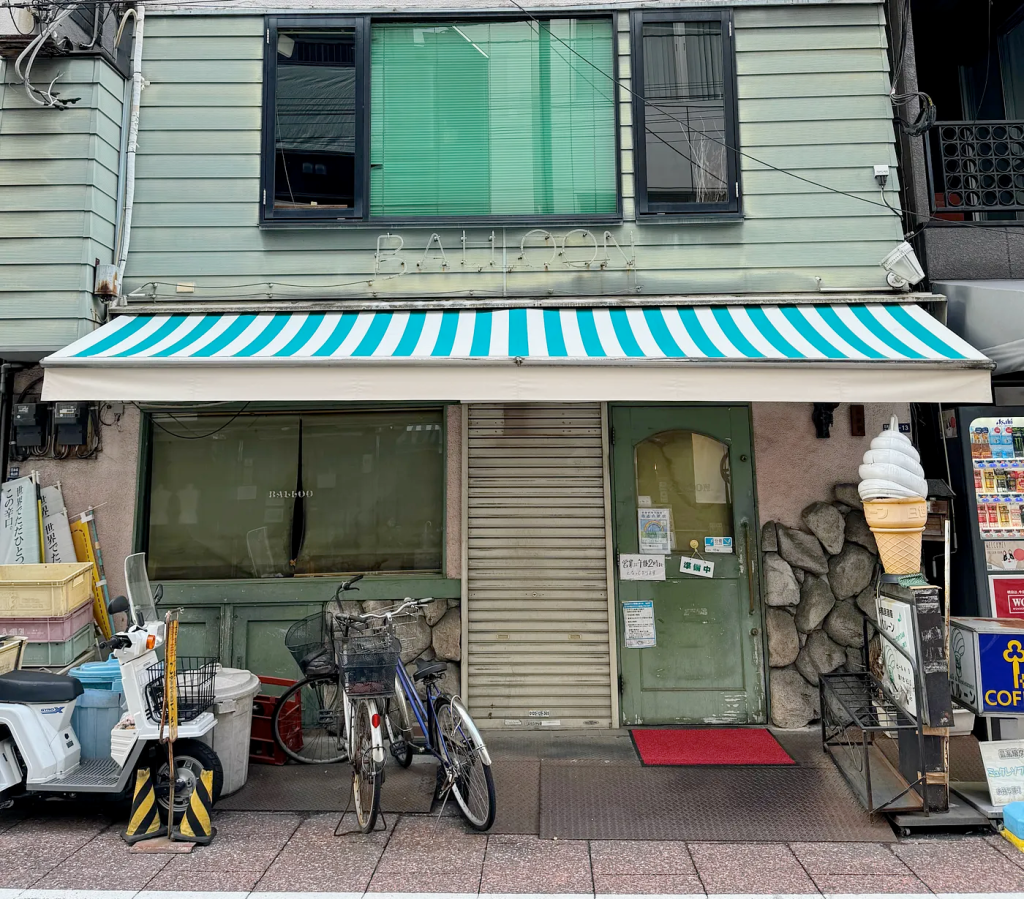
Japanese micro-business photo from this post
I picked these examples because they’re the simplest things — so basic that you’d have to actively try not to notice how they differ from place to place!
It isn’t just zoning of course, it’s a combination of culture, laws resulting from culture, finance, local input. The way an area looks is the product of zoning, building codes, fire codes, parking minimums, taxes, insurance, lending preferences, developer economics, community input, and culture. No single rule produces the outcome — but I want to point to zoning as an indicator. Zoning is the one set of rules that most directly encodes what’s allowed to exist near you — it’s something like a codified set of cultural expectations on what a space is meant to look like.
Strangely, all of this has made me more optimistic. Being precise about what you dislike is useful — it turns frustration into something you can work with. I want to know the exact rule that says I can’t run a cafe out of my living room! Once you can point directly at the problem, you can work to change it.