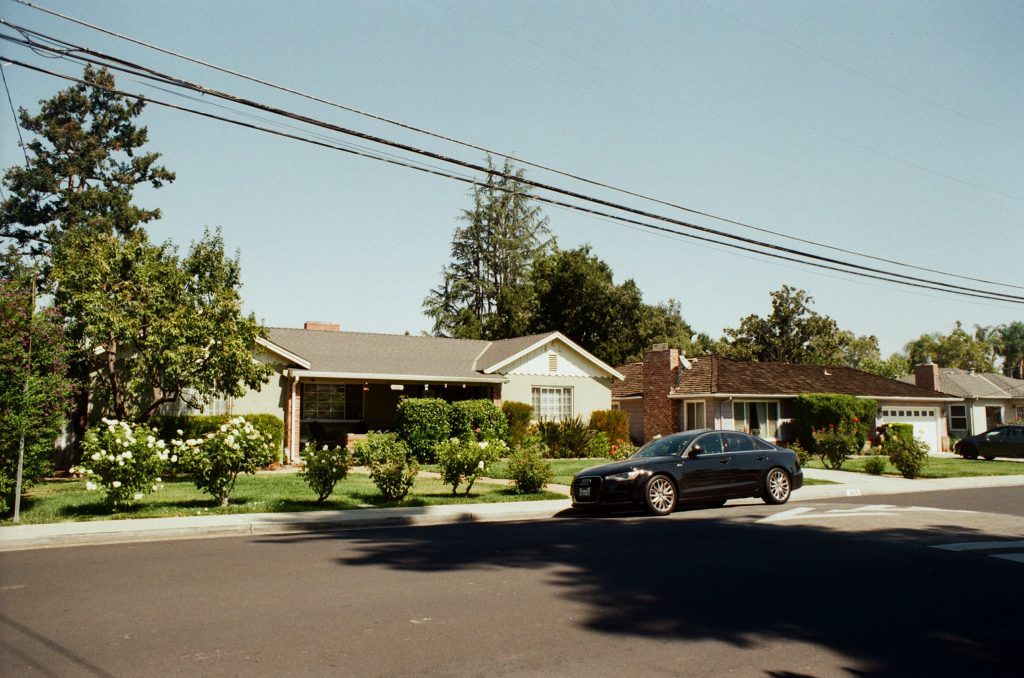
General note: you may see it’s mostly food and not sites lol. Portugal is best for eating, chilling, and walking around to see the pretty buildings and nice views. All the museums we went to had a lot of old broken clay pots and models of ships so not much there.
Lisbon
Food
The top two are the most important on this list – must go
Sites
Supermarkets
Sintra (can be skipped)
Food
Sites
Porto
Food
I had read this book maybe 6, 7 years ago, so this was a reread. The book was better than I remember – a great subversion of the fantasy genre. The book is about a mercenary company contracted by evil people to help achieve their evil goals which keeps it fresh. While the characters and setting were good enough, I think the plot was what kept me reading.
The writing style was not my favorite but serviceable. It’s nothing fancy, with a bit of unreliable narrator thrown in.
War crimes exist in this universe – the change in tone makes it significantly different to other fantasy novels.
The “just a guy caught up in important events” was another really awesome technique, although it’s a bit quieter. The mercenary company just isn’t that important (until it is) and it has a long and illustrious history it’s not really living up to. The protagonist isn’t even that much of an important member in the Black Company. Just that structure gives it an edge over works in the genre.
Other than that the world is recognizable, the actual story is pretty straightforward, and the characters aren’t very special. I think, though, that this works to the book’s benefit. It struck out into the Vietnam War novel structure with a classic fantasy novel and I think that’s enough innovation to warrant a read. Great book 8/10.
This was a weird one. While I enjoyed it, I’d absolutely forgive someone for giving it a very low review. I think that it was extremely targeted towards my enjoyment of competence porn and that’s why I liked it. Other than that, there’s just not much to look for here. The protagonist is a little… off putting and there’s a racial subplot that’s written a little meh. The setting is a literal copy of Roman and Medieval history, down to copying the Golden Horn Chain. It was also written to feel a bit cartoonish?
I did, however, get exactly what I came for. The plot revolves around the protagonist taking charge of the undefended capital city of an (extremely Roman seeming) empire against a barbarian horde. There’s a hell of a lot of preparation and planning to be done to defend the city and that’s what I came to read. The book covers bureaucratic proceedings, coinage devaluation, preparing city defenses and many more competence porny things. It definitely hit right for me, but I’d hesitate to recommend it unless you enjoyed stuff like Dogs of War by Frederick Forsyth or Dragon’s Banker by Scott Warren. 7/10, hit the spot.
Fantastic book! I love Tristan Gooley’s books – How To Read Water was incredible, but it wasn’t very relevant to my life. He writes great books about developing a practical understanding of nature, not just a scientific one. Too often books about nature just give you the science without the application of the science.
As an example – you may understand clouds forming from convection, where warmer air, being less dense, rises in the atmosphere. This rising air cools and its moisture condenses into water droplets or ice crystals, forming clouds. Knowing this though you wouldn’t necessarily get that cumulus clouds form over hot spots like parking lots and don’t form over cool spots like lakes – providing you with a reflected map of land you can’t see.
I enjoyed this book a lot, but I think this was very targeted to my interests. If you’re curious about understanding the natural world and applying that knowledge to your daily life I can recommend it. The writing style is crisp and engaging, the pacing is good, and there are enough images to get the point. Gooley doesn’t shy away from science – it’s just that it serves the practical knowledge that other books lack.
I’ve been reasonably successful in implementing some of the weather reading into my life. I can now discern how long rain can last, as well as what weather is coming next. I’m halfway through creating a quick reference guide to weather reading inspired by this book for myself and when I’m done I’ll insert a link here.
The value that this book provides over the Weather Channel is related to local forecasting. Gooley has a great chapter explaining that while meteorology is a solved problem for wider areas, there’s tons of alpha in understanding your local area’s weather – which may be very different than what the forecast says. I think this is where the value lies for me (other than scrying clouds being damn fun). I learned that the warmest place to sit in the woods during winter is on the south slope of a mountain under an evergreen tree. I learned that you shouldn’t camp in even a slight dip in the ground if you want to keep warm. These sorts of local tips are super useful and interesting to me. 9/10 highly recommended. I took off a point because I felt like it could have been cut down just the tiniest bit.
Not sure what to think of this book. I’m about a third of the way through. I think this may be the case of the right book at the wrong time – I would have really enjoyed this in my college years.
As it stands though, I could tell it was serialized – which is not good. It has the same issue of unnecessary length. It feels like reading a long manga (which may be why it adapted so well, although I’ve never read Vagabond). There are some great moments but man it’s just packed to the brim with filler. I’m still sort of chugging along with it. I read maybe a few pages every other week, but I can’t imagine finishing it.
The story itself is a fun romp. I don’t know how to describe it other than as a proto-shonen. It’s workmanlike in prose. The plot and characters felt carpenter-constructed. If I wanted a long adventure story I would be more open to it, but there’s too much story per character development. 6/10.
I read this because I was hoping to find some unknown unknowns about software engineering as a career. It did not deliver on that, but it did give a good roadmap for potential pathways in building a career in software.
It was easy to read – like an extension of Swyx’s blog. I think the book is best explained as a paywalled section of Swyx’s blog – which may be valuable depending on how much you like his articles. I found it valuable as a mindset shift into doing more open source / build in public type stuff. 7/10
I wish I knew what was going on in this book. I read the first section about tracking two foxes in the woods which was really awesome but there wasn’t much practical information on how you would recreate that tracking yourself. I feel like I missed something here and I’m not getting it. No rating ?/10.
I read a few chapters and it didn’t engage me. It felt pretty predictable but I didn’t read very far in. No rating since I don’t think I read enough ?/10.
Great cookbook! This was exactly what I’ve been looking for – maximizing the flavor / effort ratio. This won’t wow you with amazing dishes or incredible technique. It is, however, very good at introducing menus which are tasty and work really well as weeknight meals. The book is explicitly written to be multi-meal friendly, as in you cook a whole chicken to serve as two different meals. Note – I haven’t cooked anything from it yet but I will soon.
I think the real takeaway for me is the mindset shift in mastering the techniques of low effort cookery. I dig the idea of cooking a protein sorta plain and then repurposing it over a few days into dishes. Or of microwaving shallots in some oil to make them crisp. This is the stuff I need for Thursday night dinners after work. The thought process presented is more valuable than the actual recipes for me. 8/10
Wrong place, wrong time for me. I needed this book about 3 years ago. Fortunately I think I’ve made big progress in removing creative blocks in my life and I found this book to be retreading familiar territory for me.
I have, however, found incredible value in morning pages (the idea of which comes from this book). I recommend trying it for a week. An explanation from Tim Ferris. Another from Austin Kleon.
In my experience it’s been part to do list, part solo therapy, part insight generator. I dismissed the claims of it generating creativity before I tried it but I’m happy to say I’m wrong. By writing your stream of thought you can finally free your working memory up and begin to abstract on the rumination. Rather than think the same thoughts repeatedly, putting them down on paper externalized them so I could grasp them better – put them into context so I could exit the thought loop and productively continue.
If you feel stuck and blocked in your creative work I think Artist’s Way could be a great book. Otherwise I think morning pages are all you really need. 5/10 for my particular purposes but I could see it being much higher if my situation were different.
Why don’t you try a Straussian reading of this? 9/10, very thought provoking.
Fantastic, fantastic book. It’s a vibecation through Eastern Europe’s milieu. I don’t dare call it a history book since it flits around, but it laser focuses on informative nuances of Eastern Europe. Through vignettes and anecdotes it builds an image of the region and its people better than any traditional text could. It goes without saying that it’s not comprehensive.
More books could take this format for a pop survey text. Going deep on a few different aspects to paint a picture is useful and fun. Disclaimer – I have a pretty big amount of background knowledge about Eastern Europe and I lived there for a bit. I don’t know how appealing, helpful, or informative this style would be for someone who didn’t know anything but I imagine it’d be engaging and at least better than nothing.
I think I’d recommend this to the casual reader with the warning that this is an airport book that’s a definite cut above average. Fun, informative, but don’t treat it like a textbook. 8/10.
This was actually another reread – I read it last in middle school. The story was very familiar, but what was surprising was the parallel between my job as software engineer and magic in the world of Earthsea. Working with computers is pretty much magic but you’re still of the world. It’s just a job but man sometimes it feels like you can bend reality just a bit. The parts where the protagonist is learning and trying out magic do feel a bit like being a programmer.
Other than that, it was a very enjoyable read for me. It feels good to read – I really enjoy the writing style.
The story is a very human focused fantasy plot that has a simplicity which belies the depth of thinking behind it. It brings with it some morals – but I mean that in a good way. What’s really cool is that I could read this in middle school and read this now and both times get a lot out of it.
10/10
The crux of my reading experience was that the content and structure were 10/10 but the writing style on the paragraph and sentence level was a 3/10 for me. This was what brought the book down in my opinion. It just did not work for me. I’ve included some sample text below for an idea. It just felt like the author was trying to be too literary and do too much “show don’t tell” which made it hard to read for me.
Sample from the text:
The contenders dutifully stood hands raised together as the balloons dropped: Muskie, Chisholm, Scoop Jackson, Humphrey, who was flashing peace signs. But the 250 McGovern floor managers weren’t able to whip up the traditional resolution to make the nomination unanimous—something even Barry Goldwater had been able to manage. Too much water under the bridge for that. One hippie’s sign during the celebratory demonstration read simply mcgovern sucks! Another, a black man’s, said don’t vote ’72!
George McGovern was learning what a mess of pottage a presidential nomination could be when your defining trait was supposed to be your purity.
He would now learn how difficult it could be, too, to deliberate on important decisions during a convention in which sensitive debates wasted eleven hours straight.
He received a midnight call of congratulations from Ted Kennedy—still America’s favorite Democrat. McGovern asked him to be his running mate. Kennedy refused, citing “very personal reasons.” McGovern called Ribicoff. Ribicoff turned him down. The campaign had to come up with someone by 4 pm Thursday, the deadline for putting names in nomination. They started assembling a hasty list, which they hadn’t had time to do what with all the credentials fights and platform fights and assuaging meetings.
Other than that though, I highly recommend this book to anyone trying to understand the culture war of 2016 to now. Reading this, if you blur your eyes a little, the text could just as easily be a history of the last decade.
It’s a big book but it’s a super informative tour of the 60’s & 70’s in American history, Richard Nixon as president, and the social movements that ripped America apart during that time.
Key takeaways for me were
I’m no expert, but I’ve visited Japan three times now for 2 weeks each time so I hope I can be helpful.
If you want fast food, what you’re looking for is gyudon places. They sell protein over rice for very cheap prices and are open 24 hours a day. My favorite one is Sukiya.

If you want to go to a specific restaurant, I recommend beginning to plan 3 months in advance. Otherwise starting a bit over a month in advance should be sufficient. Unfortunately for me, Japan plans ahead of time very well.
Reviewers are very harsh in Japan. Use Tabelog (Japanese Yelp) to get food reviews – don’t rely on Google Maps exclusively. A 3.5 on Tabelog is the equivalent of 4.5 on Google Maps in New York. A 4.0 means you’ll forget your name after eating that meal.
The average level of food quality in Japan is incredible. You’re unlikely to have more than one bad meal on a two week vacation. If you walk into random places, you’ll find decent food.
Foreign food is great, especially French and Indian. French food in Japan can rival French food in France since many of the chefs train in Paris and then return to Japan. If you find a French pastry shop in Japan I highly recommend stopping in. Stay away from Thai and Mexican though.
Convenience stores are everywhere. Please understand and take to heart that you will not get sick from the food there. The food is likely at least decent and is freshly made. My personal favorite is 7-Eleven for their food, but Family Mart has great fried chicken and onigiri.
Japan is a fucking great shopping destination. Even if you’re not big into shopping as an activity, I recommend you plan at least a little bit to hit stores that appeal to your particular interests. The Japanese have mastered the art of creating niche products that scratch your particular itch. My pet theory is that this is from the lack of economic growth, which created zero sum competition for consumer attention. In any case, you’re far more likely to find some cool stuff than in America for some reason.
My first recommendation is Hands (formerly Tokyu Hands). It’s nominally a DIY store, but it’s more of an everything store. The Shibuya location is 7 floors of intensely well designed products that range from very useful to “but why”.
It’s also a great place to get gifts for people. I like buying things that are actually useful as souvenirs. I recommend the umbrellas, which are nigh unbreakable. Mini umbrellas are fun and they can get as light as 80g.
Japanese stationery has become exceptionally trendy in the States and for good reason. I’ll leave it to you to find a store, but Hands has a good selection.
Do note that if you get appliances they’re built for 100V, which may not end up working in America, despite the plugs being the same.
There are so many hobby shops. If you have any hobbies like model trains, painting miniatures, photography, or something else, do yourself a favor and seek out those stores. They’re intensely interesting in Japan since there’s a pretty big niche interest scene there. I’m not sure if it’s because your average Japanese consumer is more likely to spend money on such things but the hobby shops are much cooler than in the States.
Gashapon are ubiquitous but easy to ignore. Do stop by at least a few of the larger collections of coin operated machines. Even if you don’t get anything you won’t regret your time spent there.
Japanese camping supplies are quite fun. If you’re outdoorsy I can recommend checking out Montbell, Snow Peak, or a general outdoors store. I don’t think it’s much cheaper than in the States though, so this isn’t a must see.
Daiso is much more based there. I think they bring their stock of shit that didn’t sell to the American stores. It’s both cheaper and more interesting in Japan. I got a pair of collapsible chopsticks and a campfire bread toaster for under $3 total.
Clothing is generally higher quality and lower priced than in the States. Uniqlo is good for stocking up on basics – they’re substantially cheaper there and they have different stuff. Go up one size.
Japan also has a great menswear subculture. It depends on what you want precisely, but United Arrows and Beams are worth checking out. There’s also an incredible trend of Japanese companies replicating 50’s to 80’s American clothing with correspondingly high quality. I got myself loopwheeled (60’s era high quality manufacturing technique) t-shirts for around $30 each from Whitesville. The Real McCoy’s and Hinoya are two stores that you could check out. Japanese denim falls into this category.
Tabio has the best socks I’ve ever worn for under $10 a pair. They’re much cheaper than buying from the Tabio US site. Many thanks to Dio for the recommendation.
Don Quijote is a quirked up dollar store. They’re open 24 hours and have tons of fun cheap crap. Each location has different stuff since the local staff decide what’s carried in that particular store. I recommend finding a Mega Don Quijote for a larger selection.
If you want to buy some expensive crafts or artisanal stuff check out the Monocle guides to various Japanese cities. The author is very opinionated and provides cool recs.
Don’t do Mario Karting in Tokyo. Everyone will hate you and it’s dangerous.
Taking shoes off in public is very common. Don’t do what I did and bring socks with holes. People will generally tell you when to take shoes off so don’t worry too much about that.
Many restaurant workers will not want to be photographed. Ask before taking photos. Photos of food are okay in my experience.
You can ship your luggage overnight between hotels in Japan. Not only can you do this, but you absolutely should do this. Shipping a suitcase between Tokyo and Osaka should cost below $20. Don’t be that guy dragging two suitcases during rush hour because you were too cheap to ship. If you give the address of your next hotel to the concierge, they’ll be more than happy to do everything required to ship your luggage – including calling ahead to the next hotel. Please familiarize yourself with Shinkansen luggage rules.
Japan uses tap cards for the trains. They’ve run out of the integrated circuits for these cards as of October 2023. The workaround is to add the card to your phone wallet and then recharge with a non-Visa credit card (works with Amex).
If you want to go off the beaten track, literally just go outside of Tokyo, Kyoto, Osaka, Nara, and Hakone. Those places get a lot of tourists, but as soon as you go somewhere else you’ll likely be the only tourist in sight.
You can get a JR Pass to get cheaper train travel. Use an online calculator to see if it’s worth getting for your itinerary. Note that you need to buy it outside of Japan.
The rice diet can get you a bit clogged. I recommend 7-Eleven cabbage packs.
Staying at a ryokan (Japanese inn) with an onsen (hot spring bath) is a must. It’s a quintessential Japanese experience and you won’t regret it. Ensure that the onsen uses natural spring water from nearby and not tap water – it should state this explicitly on the hotel’s website. Jalan.net is good for reviews – use Google Translate.
Get either portable wifi or an eSIM. You’ll be using Google Translate a lot.
Dormy Inn is a Japanese hotel that Japanese people stay at. If you want something a little different that’s also pretty affordable – I can recommend it. Free noodles in the evening and they have a hot spring bath (filled with tap water) on the top floor.
Japan loves trains and so do I. If possible, book a sightseeing train – I enjoyed the one between Kyoto and Nara. They also have train related souvenirs which are awesome.
Japan has a specific brand of thoughtfulness and creativity I don’t see elsewhere as much. I’ve listed a few examples below.
dB meters on construction sites

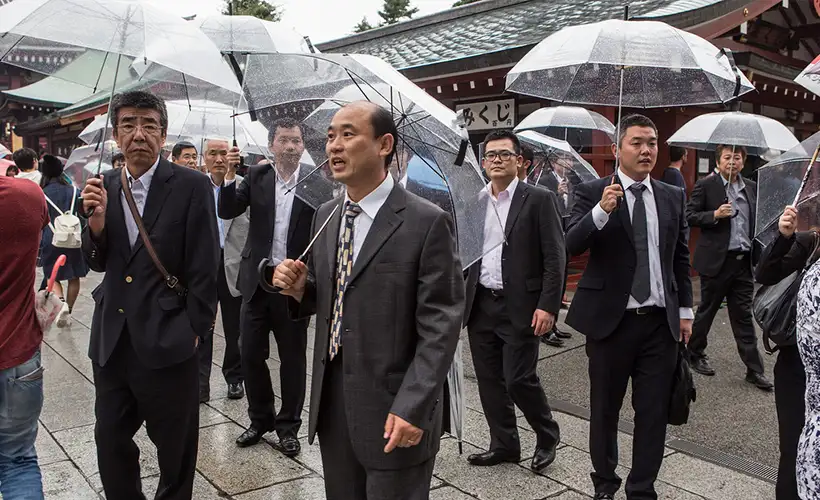
Clear umbrellas (sold pretty much everywhere)

Standardized showerhead temperatures

Clothing at konbini (Family Mart has shockingly good quality clothes)

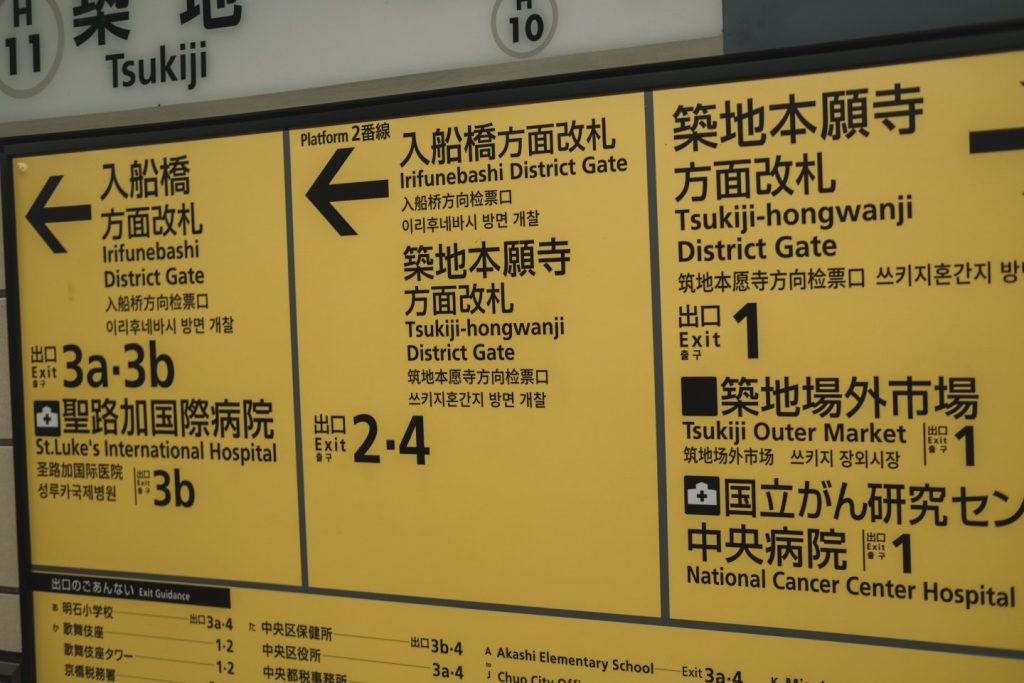
Numbered exits at train stations

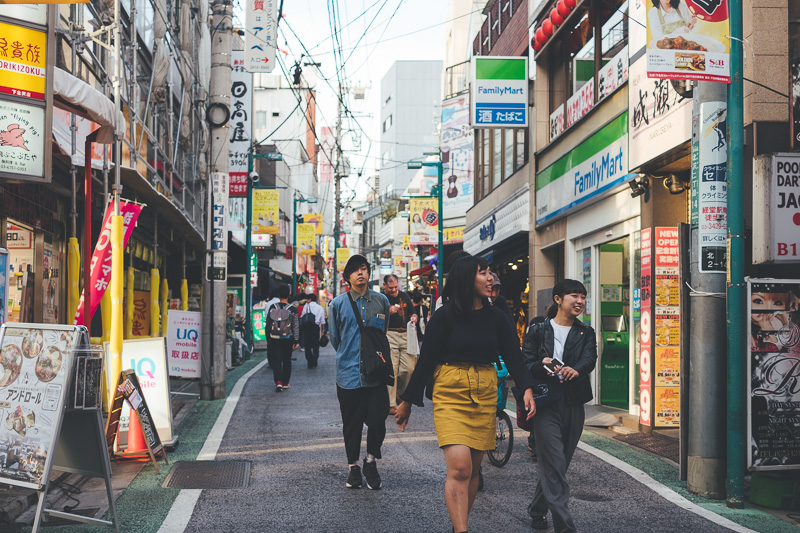
I love Japanese urban design. I’d like to bring your attention to a few unique and great things Japan has.
Tiny bars & restaurants. There are so many bars that can only fit like 5 people and the owner. It leads to fun moments that you couldn’t have anywhere else in the world.

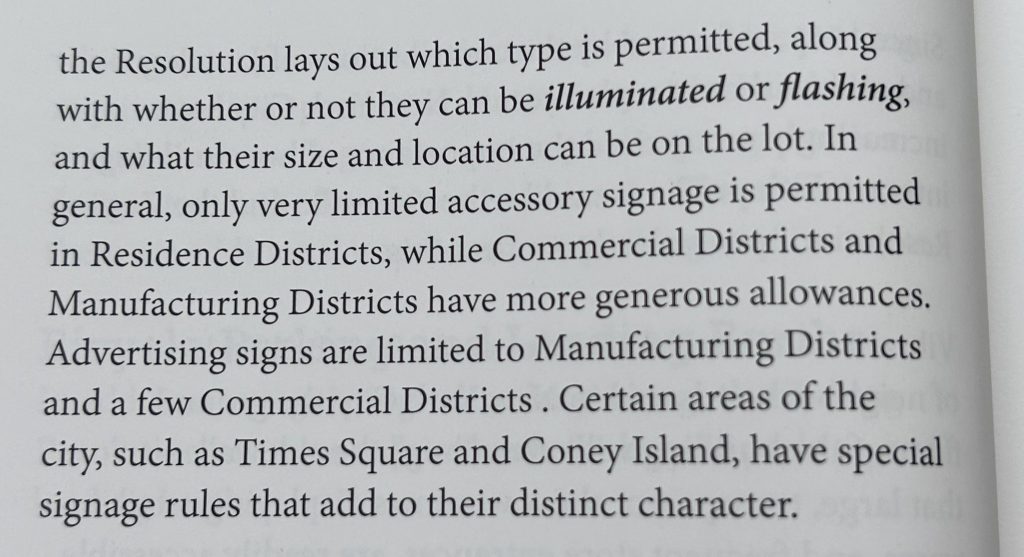
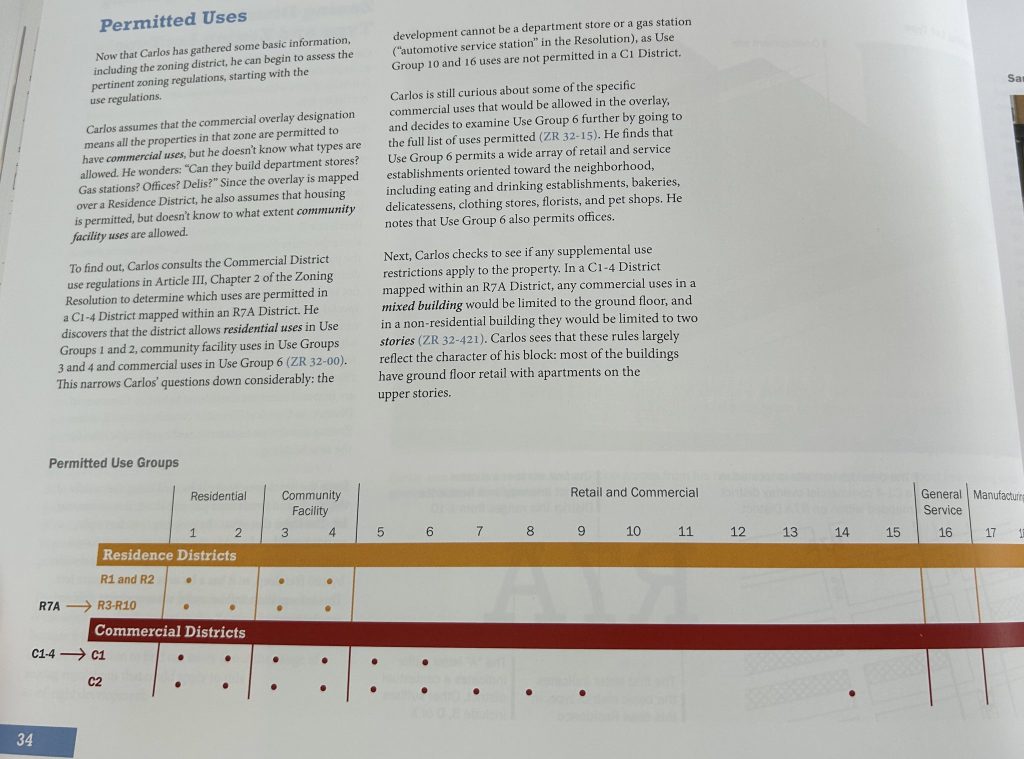
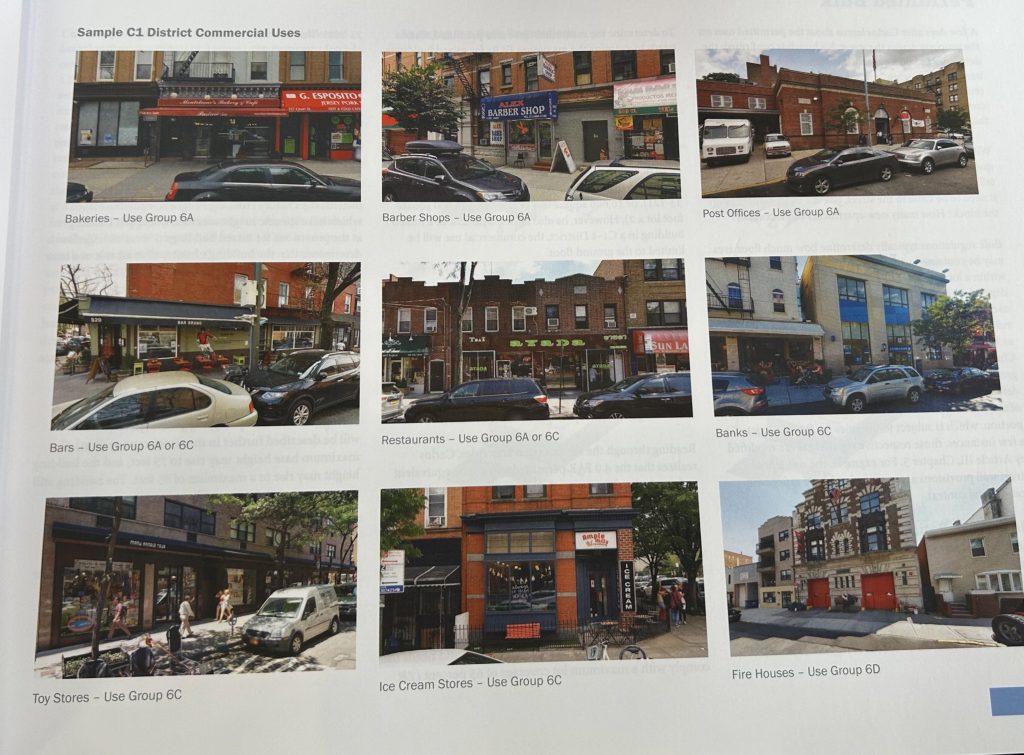
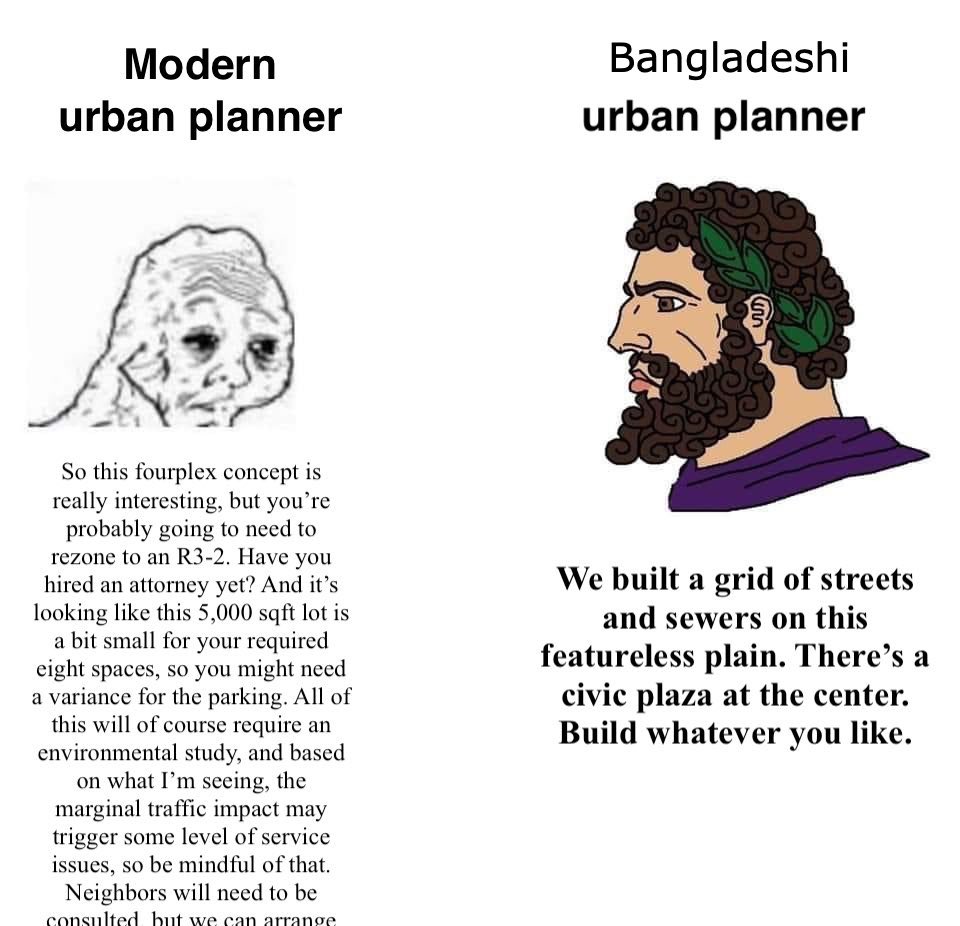
Weird shops. Rent is relatively affordable and there are relatively fewer zoning restrictions on small shops so you get places that make you say “how can you possibly afford to stay open”. The place shown below just sells handmade tea caddies.

Walkable streets

Street plants. Many people will put potted plants outside their home as a makeshift garden to make the street more pleasant.

More Resources
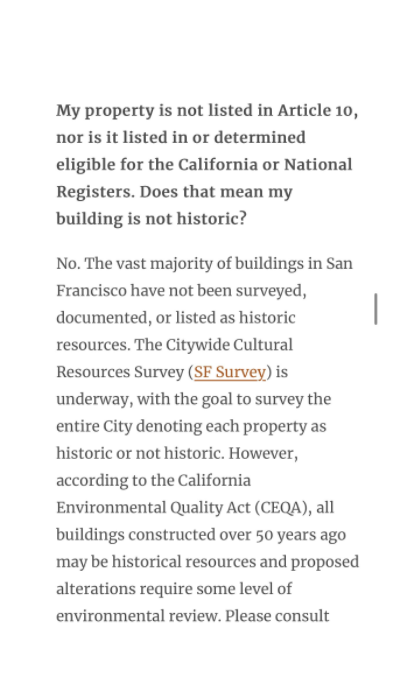
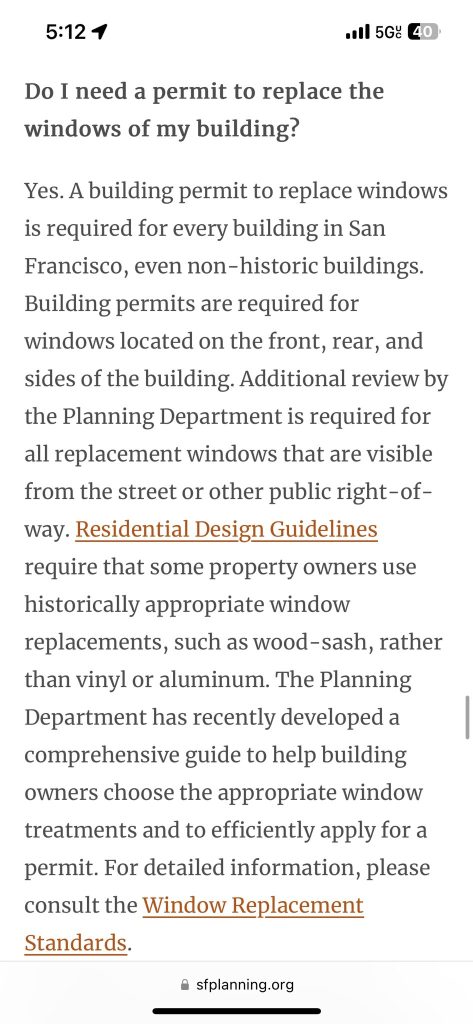
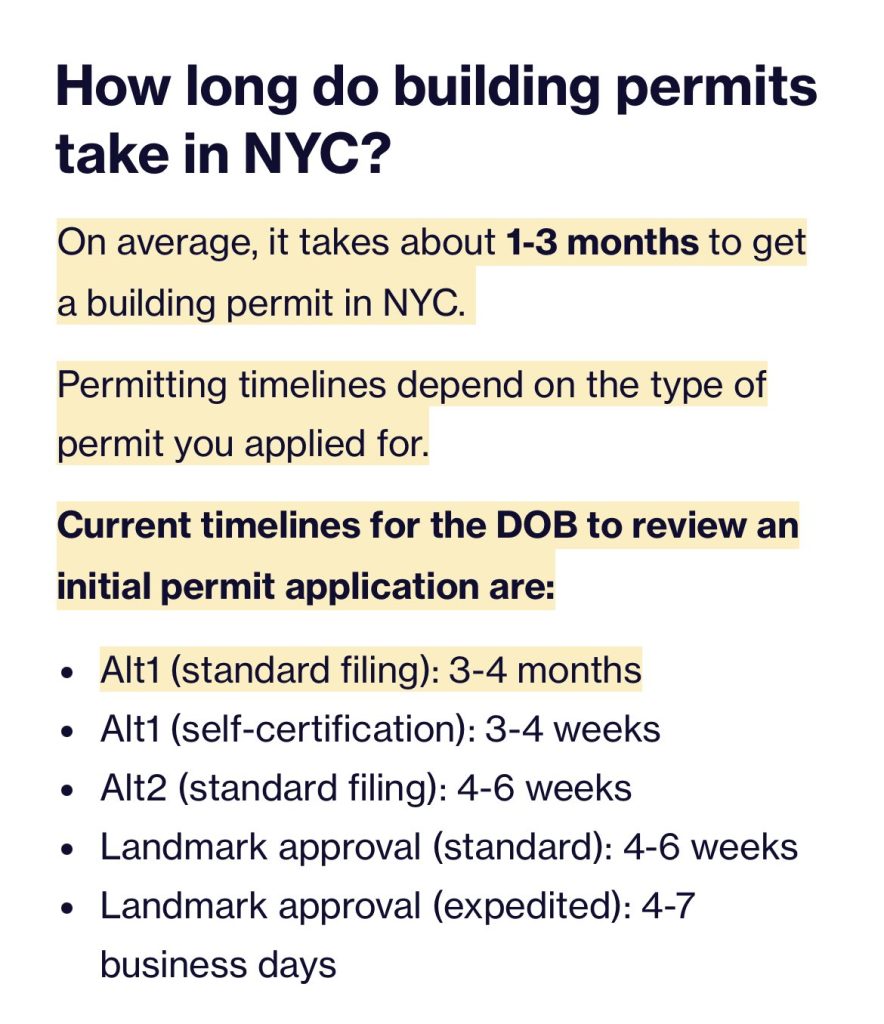
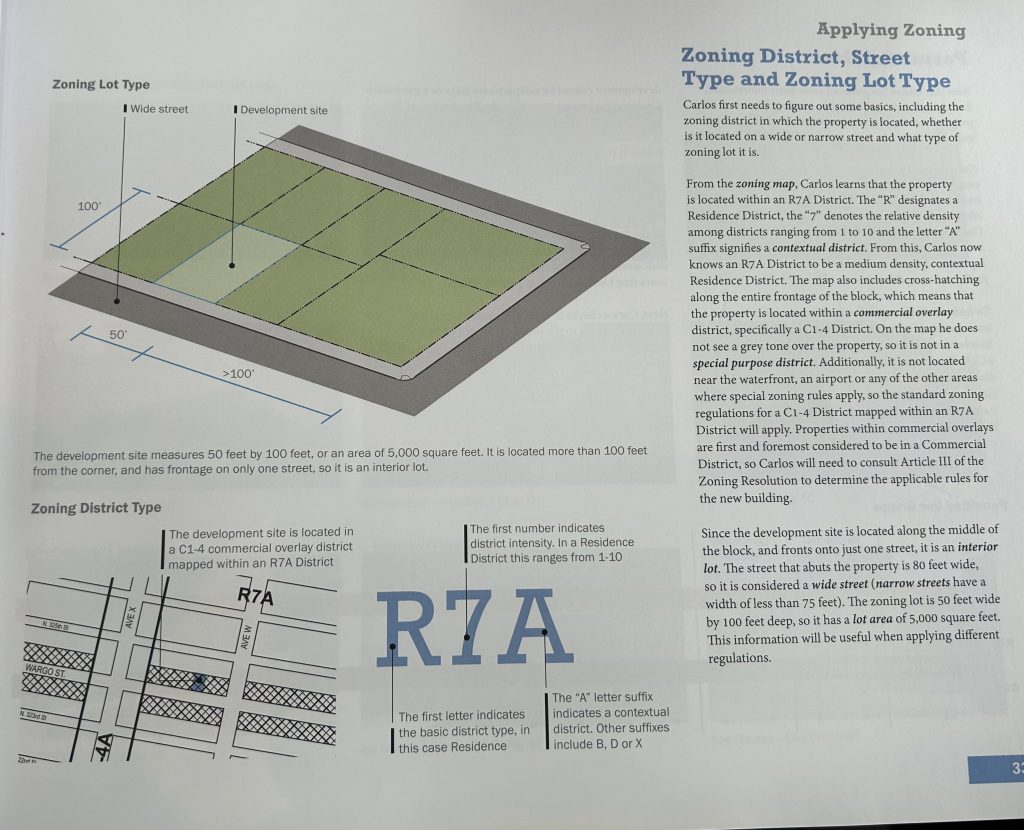
I lived here for around 3 years, nice place. Good vibes!
Bar mleczny “Pod Temidą” What Polish home food is sorta like. Probably the closest you’ll get to a home cooked meal.
Sausages from the blue Nysa. Sausage from a truck. Halal cart vibes
Try the KFC in Poland. Goes harder than it should. Get the Grander – warning though, it comes with bacon.
Nota_Resto by Tomasz Leśniak. Solid fancy food. Not Polish food.
Cukiernia Michałek. Best pastry shop ever. Get the donuts, W-Z cake, or really anything else, it’s amazingly good.
Pod Wawelem Kompania Kuflowa. This place has pretty decent food. Touristy.
Brasserie L’Olympique. More fancy food, very tasty, very cheap because Poland. Highly recommend it. Not Polish food.
Jarema Restaurant. Eastern Polish food. Somewhat fancy place. Very good.
Castle – Obvious. Try to get a tour. The best tours are the Armoury and the Royal Private Apartments. Note that the tours sell out relatively quickly, so show up early, get tickets, come back later for the tour. Or don’t, just walking around is fine as well.
Rynek – Obvious as well. Hard to miss lol. See the St. Mary’s Basilica.
Auschwitz – I recommend going, although be prepared for very heavy vibes obviously. All day kinda thing.
Wieliczka – Also cool, also an all day thing. Family friendly and very impressive.
Nowa Huta – If you’re interested in Communism go, otherwise feel free to skip.
The Princes Czartoryski Museum – Recommended, top Krakow museum IMO, worth going.
Polish Aviation Museum – I have a soft spot for this place because I have a hard on for airplanes. Otherwise, skip because it’s just warplanes sitting around.
Collegium Maius – Take a peek. You don’t have to do the tour, but it’s cool to stop by and take a look for a bit. College building from the 14th Century.
Cmentarz Rakowicki – I recommend taking a look if you’re looking to chill out. It’s a graveyard but it’s super pleasant compared to the American ones. I like going to just look at people’s graves and just enjoy nature. I know it sounds weird but trust me it’s nice.
Kleparz – Outdoor meat and produce market. Cool to see. Very high quality vegetables. <15 minutes and I like it. It’s like if a farmers market was actually good and not overpriced.
The free walking tours. They have colorful umbrellas. I’ve always been very impressed with their quality. Please skip the tour where they drive you around in a golf cart.
Have a beer at a cafe on the Rynek. Laugh at the British tourists making asses of themselves.
Walk around the Old Town. The side streets are super cool. Kazimierz is also interesting to walk through.
Walk into random churches. Krakow has way too fucking many and they’re all beautiful.
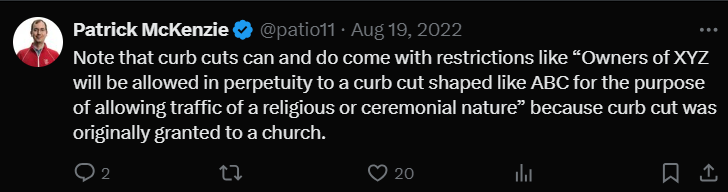
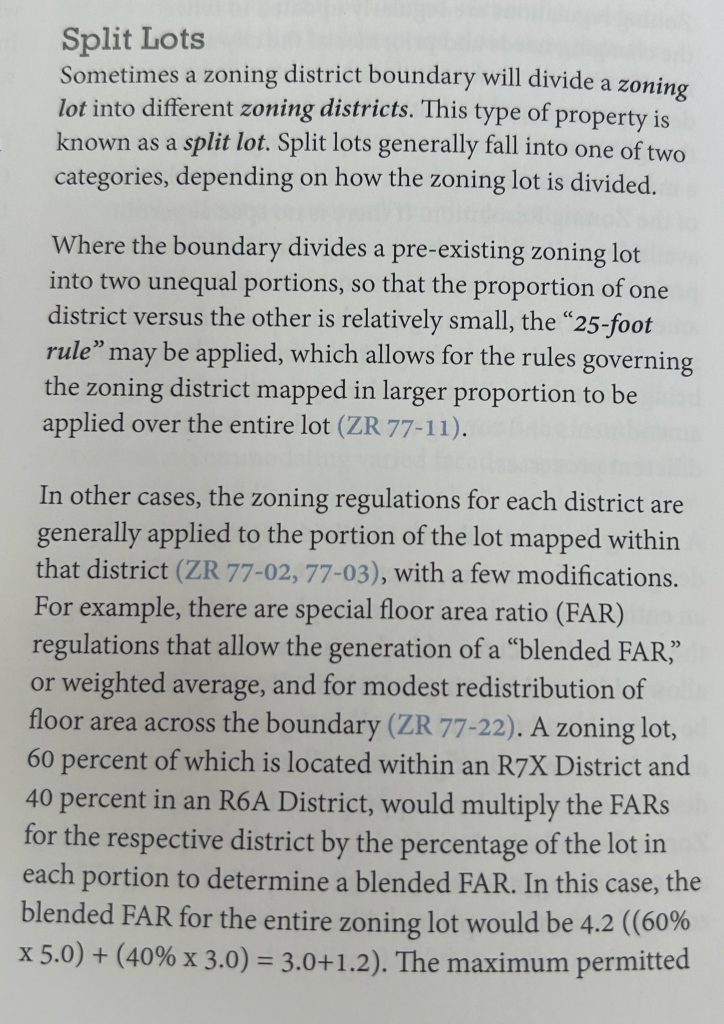
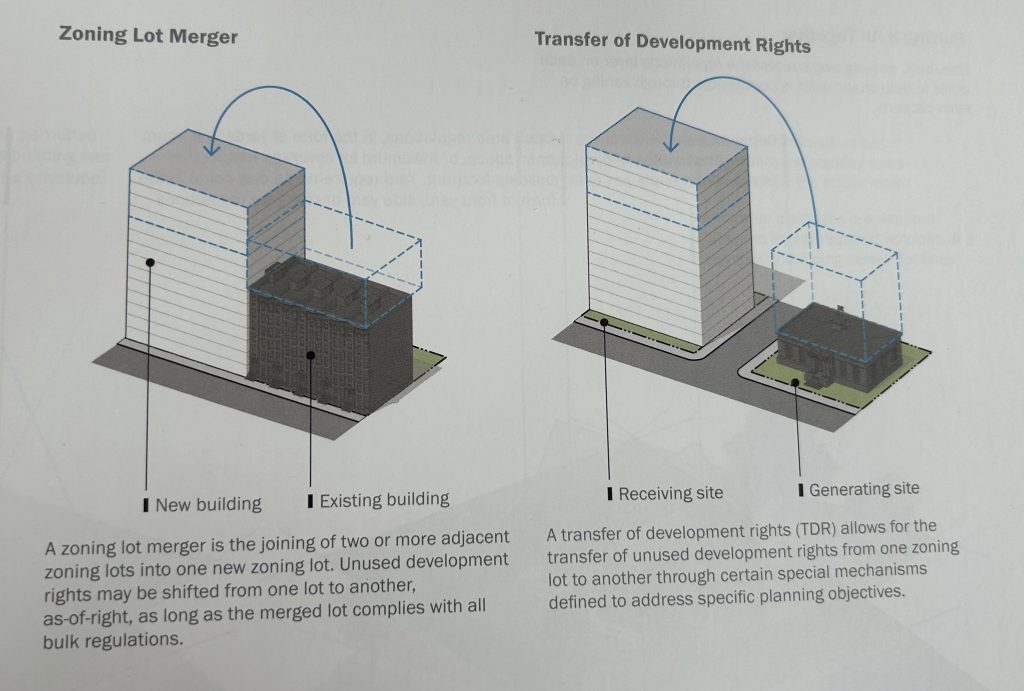
Recent thought loops – zoning and local government (again), political power, and writing
Follow up on my last links post point about sedentary life. Chairs are fucking dangerous
My favorite Simon Sarris content that I’ve read recently
Cool HTML elements nobody uses
I recently went to Japan so I read a lot of Japan related content.
FRED has more statistics than I thought. Number of Software Development Job Postings on Indeed in the United States.
What I learned in two years of moving government forms online. Exceptionally important article for anyone musing about how local government works in a general sense.
A directory of on-demand manufacturers for your creative projects. Each site listed has instant quotes / online ordering so you can upload your project files and immediately see how much it will cost and how long it will take to make.
HOW TO LOOK BETTER IN PANTS!!!!
Plunkitt of “Honest Grift” fame Probably the best document to understand the realpolitik of NY government.
Craig Mod on writing good newsletters
The strangest thing that AI could tell you. Very thought provoking tweet that I ponder a lot.
In response to this tweet I have begun mailing people books with a handmade bookmark in them.
Guy explains road design. 10/10 highly recommend for watching while eating.
David Choe hunted baboons with the Hadza of Tanzania. It’s a cool story and apparently it’s true? I think the alpha in this video is the portrayal of the Hadza not by a documentary crew.
I have a lot of ideas for blog posts – so many that they’ve begun getting lost in my notes. I figured I’d put them up on here. I’ll be very happy if you steal these ideas, I likely won’t get around to writing many of these.
The Power Broker, Robert Caro. About Robert Moses’s grip on NYC. Someone should run a prize for the best 10,000 word essay summarising the fundamental lessons of this book (which I haven’t read in full, just skimmed, because of time not a judgement). Ditto for the Johnson volumes (I’ve not read) when Caro publishes the last. While some lessons are specific to time/place (e.g how the Senate works in 1950) the most important lessons from all such books are quite abstract and common and I assume this will be true of these classics.
I’ve been considering my remote work setup a lot recently. I think I’ve diverged somewhat from societal consensus on this, which is interesting, but it means I should probably post my thinking publicly to ensure my contrarianism isn’t bullshit. I’d like to write something more comprehensive, but for now –
- You shouldn’t sit on a chair
- You need to be active very frequently, with eye breaks, every 20 minutes or so
- Stretching doesn’t work, neither does actively correcting your posture
- Posture has mental components which need to be addressed
- To fix posture, strengthen your body in the correct way
- Varied motion and sensory input is key
- Associated content – Nutritious Movement, The book Deskbound by Kelly Starrett (some parts), Kneesovertoesguy
Updated 2024/08/26
Recent thought loops – posture, VR, health, agency
I’ve been considering my remote work setup a lot recently. I think I’ve diverged somewhat from societal consensus on this, which is interesting, but it means I should probably post my thinking publicly to ensure my contrarianism isn’t bullshit. I’d like to write something more comprehensive, but for now –
Associated content Nutritious Movement The book Deskbound by Kelly Starrett (some parts) Kneesovertoesguy
During college I had a major software upgrade to my thought process regarding money / life / career. I hadn’t found a great way to explain it in words though, until I found this patio11 article which gets about 80% of they way there for me! It’s about how running a business changes the way your brain works, but specifically it’s about how increasing agency through running a business changes your brain.
I really liked this post which lists 20 modern heresies. It’s great because it’s difficult to see past the water in which we all swim – reading this shakes the mind in a good way.
An article about a monk in Japan who has dedicated his life to fighting suicide. I’m not sure what my takeaway from this article was, but I think it’s beautiful and I reread it frequently.
Once, a man walked for five hours to get to Nemoto’s temple. The walk was a heroic journey for this man, because he had been living as a hikikomori, and now suddenly he was outside in the sun, sweating and feeling his body move. As he walked, he thought about what he was going to say. It had been so long since he had really spoken to anyone, and now he was going to be expected to explain his most intimate feelings to a stranger. He sweated and thought as he walked, and when at last, after five hours, he arrived at the temple he announced that he had achieved understanding and no longer needed Nemoto’s help. He turned around and walked back home.
Technical debt of the West. The following quote gives you an idea of what this is about.
Here’s a recipe for discovering new ideas:
- Examine the frames that give structure (but also bias) to your thinking.
- Predict, on the basis of #1, where you’re likely to have blind spots.
- Start groping around in those areas.
If you can do this with the very deepest frames — those that constrain not just your own thinking, but your entire civilization’s — you can potentially unearth a treasure trove of insight. You may not find anything 100% original (ideas that literally no one else has ever seen), but whatever you find is almost guaranteed to be underappreciated.
Incredible photos of Mauritania. Sometimes I forget how different life can look. Tuaregs got the drip.
I went through college with almost nothing outside of class work to show for it. Two years later I have a system which I used to get a job in tech without a CS degree, and grow a 1 inch stack of (unedited) writing on my desk. I had been killing my creativity with guilt and pushing myself to no effect.
Non Coercion is about negotiating with your natural desires without guilt. It’s not a magical productivity hack, it’s an emotional hack that can help you be more productive. It’s getting out of your own way, as Michael Ashcroft beautifully puts it.
The way to achieve non coercive productivity is to figure out what you want to do and then do it. This sounds easy, but it’s really hard to distinguish between “want” and “should”. The introspection needed to figure out your actual desires is tough and requires you to take your actions seriously. Read the following thread for more detail.
Working on what you want to work on is essential because otherwise it won’t be good. Learning to live with your feelings and appreciating what the other parts of your brain are telling you can make your work better. Creating while playing at the same time is excellent. On the other hand, forcing and guilting yourself into doing things your soul is opposed to won’t bring results.
“But what about the stuff that I need to do but I don’t like? We can’t all do what we want all the time?” I agree with that, but it’s more about shifting the balance towards fun. It’s about not feeling guilty for not wanting to do things you don’t want to do. Consider what you need to do, it may not be as necessary as you think.
“If I don’t force myself nothing will get done.” I understand this because while making the switch from coercive productivity to non coercive productivity I had a gap where I did almost nothing. It took me a while to begin trusting my instincts. When I realized I needed to do personal projects to get a software job, I made a point to only work on projects I actually wanted to do. This was hard, since I kept feeling the draw towards doing projects that “looked good on the resume,” but I couldn’t get done since they were soul sucking. In that gap, it does feel nerve wracking to have nothing to show for “being lazy”. If you honestly want to do it, it’ll get done. If you don’t, then guiltlessly let it go.
“The work I want to do isn’t considered productive or socially useful.” Judging the usefulness of work is an exceptionally difficult problem. Too many important discoveries have happened by accident or were underappreciated for me to believe that your judgment of your work is correct. Doing something that appeals to you is better than doing something you “should be” doing since it’s more likely to be incredible.
“I’ll just do Hedonic Activity forever.” You can do that, but you’ll get bored pretty quick I bet. At least for most people doing real things which are difficult and multifaceted are more engaging over the long run. In my experience, get the hedonism out, get sick of it, and get back to work. See below tweet.
Non coercion is a concept that’s popular on my corner of twitter, but I think in reading and talking about it a lot, I’ve come up with my own head canon on what it means. This is my interpretation of the principles of non coercion as they’ve best worked for me.